



As part of our partnership with Right at Home, we’re pleased to share this guest blog exploring what home care really looks like for people living with dementia and their families.
For many families living with dementia, there comes a point when they begin to wonder whether their loved one needs more support than they can provide alone.
It is often not a single event that prompts this question. Instead, it may be a collection of smaller moments: missed medications, increasing forgetfulness, difficulties with personal care, or concerns about safety at home. Family members may find themselves juggling caring responsibilities alongside work, children and their own wellbeing.
At this stage, many people begin to explore home care.
But what does home care actually involve? What happens during a care visit? And what should families look for when choosing a care provider?
To help answer these questions, we’ve taken a look at a typical day in the life of a care professional at Right at Home North Somerset.
No Two Days Are Ever the Same
A care professional’s day often begins early, with the first visit taking place around 7am.
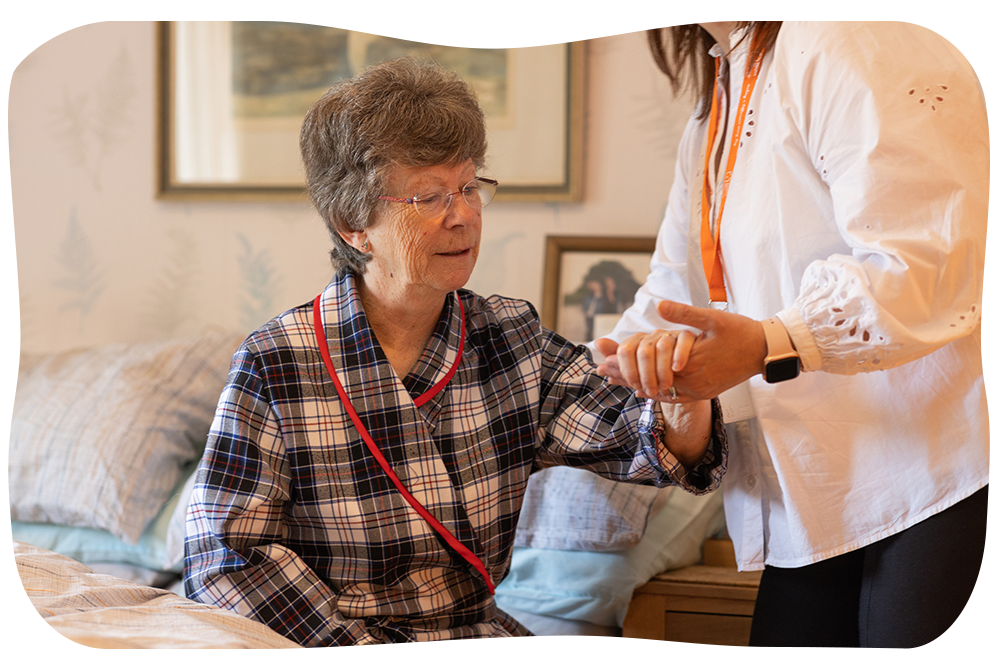
Every Client has their own personalised Care & Support Plan, tailored to their needs, preferences and routines. This could involve companionship, wellbeing support, personal care, assistance with meal preparation and household tasks, or supported visits out into the community.
Every person’s experience of dementia is different. That is why bespoke dementia care services are built around understanding what each individual needs to feel safe, understood and settled at home.
For one person, this may mean support with getting washed and dressed. For another, it might involve preparing meals, supporting with medication, providing conversation and companionship, or facilitating gentle dementia-focused activities that help maintain confidence, routine and a sense of purpose.
Trusted, high-quality care is about far more than completing tasks. It is about understanding how someone wants to live and helping them maintain as much independence, choice and control as possible.

Families are often surprised by the breadth of support that home care professionals provide. Alongside personal care and practical assistance, support may extend to helping coordinate the wider services that enable someone to continue living safely and happily at home.
A medication prescription may need renewing, prompting a call to the GP surgery and a trip to the pharmacy. A concern about a Client’s health may require monitoring, reassurance and liaison with healthcare professionals and family members. If something in their home stops working or requires maintenance, the care team can help arrange the appropriate support.
Trusted, high-quality care providers act as an extra pair of eyes and ears, noticing changes, identifying concerns early, and helping families navigate challenges as they arise.
Supporting Life Beyond the Front Door
A dementia diagnosis should not mean giving up the things that bring purpose and enjoyment. This is why maintaining social connections and remaining active in the community can be just as important as meeting physical care needs.
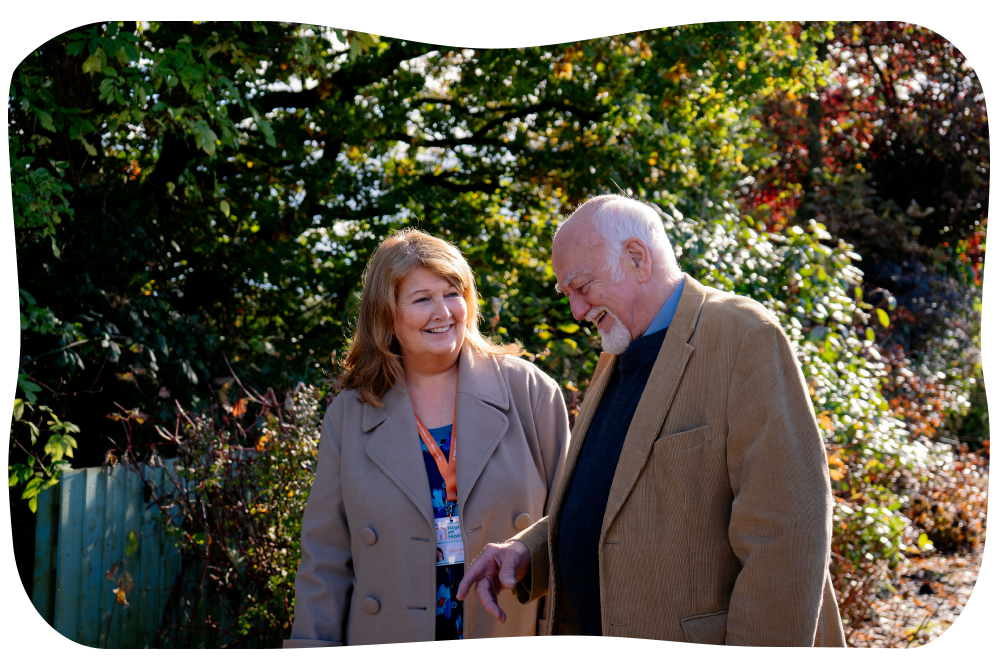
A care visit might include a trip to a favourite café, an outing to the seaside, attendance at a community group, or a walk in the local park. These experiences can help to maintain confidence, preserve routines, and facilitate continued engagement with the activities that matter most.
Home care is also about helping people continue to participate in life’s important moments – whether that is attending a family celebration, enjoying a favourite hobby, or spending quality time with friends and family. These opportunities can play an important role in reducing isolation and helping people maintain a sense of connection, belonging and community.
What Should Families Look For in a Home Care Provider?
Families should look for a care provider with a “Good” or “Outstanding” rating from the Care Quality Commission (CQC), giving them confidence that there is strong leadership, effective oversight and a commitment to delivering safe, high-quality care.
Beyond this, families should look for care that is genuinely person-centred and delivered by skilled and compassionate professionals who take the time to understand the individual behind the diagnosis.
The strongest providers recognise that dementia affects more than one person and work closely with families who are navigating change and uncertainty. They provide support not only to the individual living with dementia, but also to those around them, helping everyone feel informed, reassured and supported.
As needs change, care should adapt. A trusted provider will take the time to understand what matters most to the person they support, regularly reviewing their needs, preferences and routines to ensure care remains relevant and responsive.
Dementia care is about stability, familiarity and compassion – not just practical support. Look for a provider that prioritises continuity, builds trusted relationships and keeps families informed, giving them confidence that their loved one’s Care & Support Plan always reflects their current care needs.
Most importantly, look for a provider whose values align with your own. Care should never be defined solely by tasks – it should be about the moments that make life meaningful.
The Difference the Right Support Can Make
The right support can make a profound difference, not only to the person receiving care, but to their family as well.
One daughter recently described her family’s experience of Right at Home North Somerset’s dementia service by saying:
"It has helped me become a daughter again."
Perhaps that captures the value of trusted, high-quality home care better than anything else.
At its heart, home care is about enabling people to live safely, independently and meaningfully in the place they know best: their own home. It is about preserving dignity, supporting wellbeing and helping people continue to live a life they love.
This article was written by Right at Home, Dementia Adventure’s home care partner. Right at Home provides person-centred care and support to help people live independently in the place they know best—their own home.